Stick the Landing: A Closing Routine for Meetings That End on Purpose
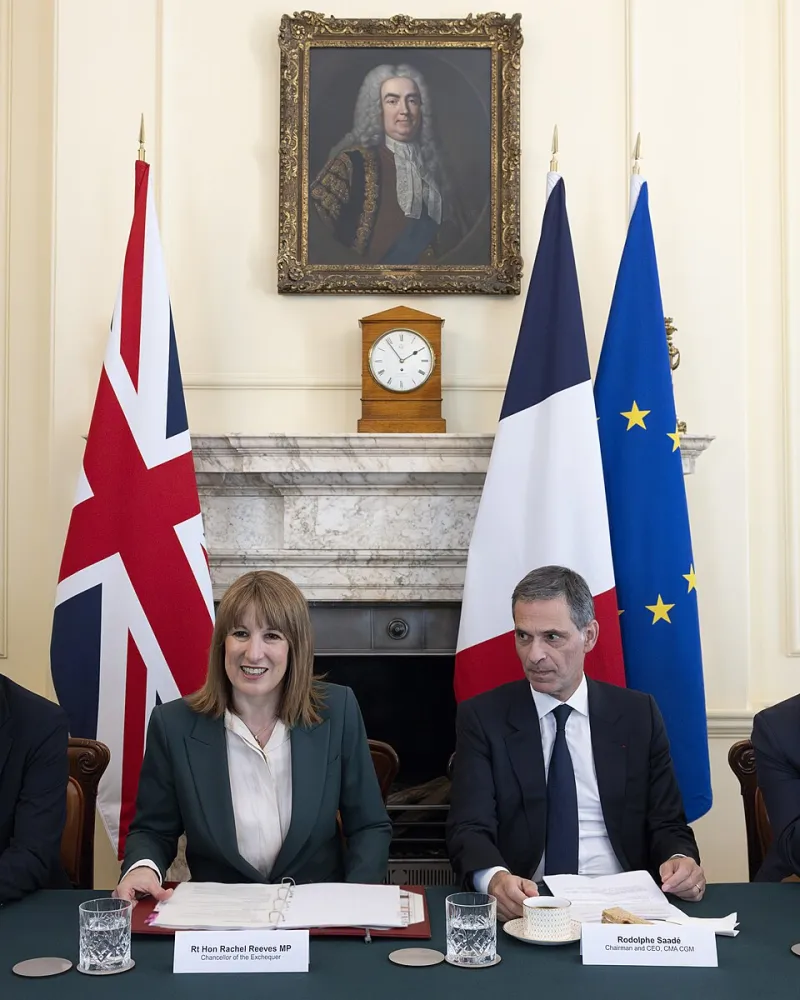
Photo: Kirsty O'Connor/HM Treasury, OGL 3, via Wikimedia Commons
There's a particular sound that follows a badly ended meeting. It's the clatter of laptop lids, the half-shouted "I'll ping you", and the quiet sigh of the next meeting already starting. If your diary looks like a game of Tetris, you'll know it well.
The problem isn't that meetings run long. It's that they rarely finish. They simply stop when the next thing starts. And when that happens, everyone leaves with a slightly different version of what was decided.
A closing routine fixes that. Not a lengthy wrap-up, not another agenda item — just four small moves in the last two minutes. Call it sticking the landing.
Why the last five minutes go missing
Most meetings have a natural arc: hello, context, discussion, decisions, goodbye. The goodbye part is the bit we treat as optional. We spend forty minutes on a slide deck and ten seconds on "right, so, yeah — thanks everyone".
Meanwhile, everyone's brain has already moved to the next call. The result is a meeting that ends in fragments: someone still mid-point, someone else packing a bag, and a chair saying "let's take that offline" without saying who, when, or where.
The fix isn't discipline for discipline's sake. It's giving the room a clear signal that the finish line is coming.
The two-minute heads-up
At the two-minute mark, say so. Out loud. Not as an apology, but as a courtesy.
"Right, we've got two minutes left — let me pull this together."
That sentence does a lot of quiet work. It tells the talkers to wrap up, the note-takers to finish their line, and the next-meeting people that they can hold off closing their laptops for 120 seconds longer. It also gives you permission to interrupt politely, which chairs often need.
If you're attending rather than chairing, you can still use it. A gentle "I know we're nearly at time — shall we capture what we've agreed?" works wonders.
The one-line recap
Next, summarise the meeting in a single sentence. Not a minute-by-minute replay. One sentence.
"So the decision is we go with the smaller launch in March, and we'll review the budget after that."
Why one sentence? Because it's short enough to remember and specific enough to disagree with. If someone in the room thinks the decision was different, this is their last clean chance to say so. Silence after a one-line recap is a much better ending than silence after a long, vague summary.
Named next steps
This is the part most meetings skip, and it's where the real cost shows up later. "We'll sort it" is not a next step. "Priya will send the revised timeline by Thursday" is.
Go round quickly if you need to. Who is doing what, and by when. If a task doesn't have a name and a date, it doesn't have a home — and it'll land back in your inbox next week as a "quick follow-up".
You don't need a full action log in the meeting. You just need enough that the first line of your follow-up email writes itself.
The clean goodbye
Then stop. Thank people properly, not perfunctorily. "Thanks for the clear thinking on this — I know it was a tight one. I'll send the notes this afternoon."
A warm sign-off isn't fluffy. It's the difference between a meeting that feels like a shared effort and one that feels like a hostage situation with biscuits.
Scripts for chairs
Here's a short closing script you can adapt:
- "We've got two minutes left, so let me bring this together."
- "The main decision today is [one sentence]."
- "Actions: [Name] is doing [task] by [date]; [Name] is doing [task] by [date]."
- "Thanks everyone — notes will be with you by [time]."
If the conversation is still lively, try: "I'm going to stop us there so we finish on time — let's take the rest to email." That's kinder than letting it dribble into the next half-hour.
Scripts for attendees
You don't need to be the chair to help the meeting land. If the chair has run out of steam, try:
- "Shall I capture the actions before we finish?"
- "Just so I've got it right — the decision is [one sentence]?"
- "I'll send round a note of the next steps after this."
That last one is a small act of service. It gives the meeting a memory, even if the chair forgot to.
When you're already overrunning
Sometimes the two-minute warning arrives and you're nowhere near done. In that case, close anyway. Say what you've agreed so far, name what's still open, and put a date on the next conversation.
"We haven't settled the supplier question. I'll set up a short call on Thursday to finish it."
That's a better outcome than ten more minutes of increasingly tired discussion — and it respects the meeting that was supposed to start three minutes ago.
A small habit with a long tail
Ending meetings well is one of those quiet skills that makes everything downstream easier: clearer follow-ups, fewer "what did we decide?" messages, and a diary that doesn't feel like a pile-up.
So next time you're chairing — or just sitting in — watch for the two-minute mark. Say the sentence, land the recap, name the actions, and say a proper goodbye. You'll be surprised how much calmer the next meeting feels.